

PARENT BRIEF | ISSUE 11
WHO IS YOUR CHILD AFRAID TO DISAPPOINT?
There may be someone in your child's life who has never threatened them, crossed an obvious line, or given you a reason to worry.
In fact, your child may really care about this person.
That's what can make the pressure so hard to see.
Sometimes a child isn't afraid of someone. They're afraid of disappointing them.
Learn how to recognize the difference between healthy relationships and emotional pressure, what happens when your child says no, and how to help them build the confidence to set boundaries without guilt.
ASK A DIFFERENT QUESTION
Sometimes the question we ask determines what we're able to see.
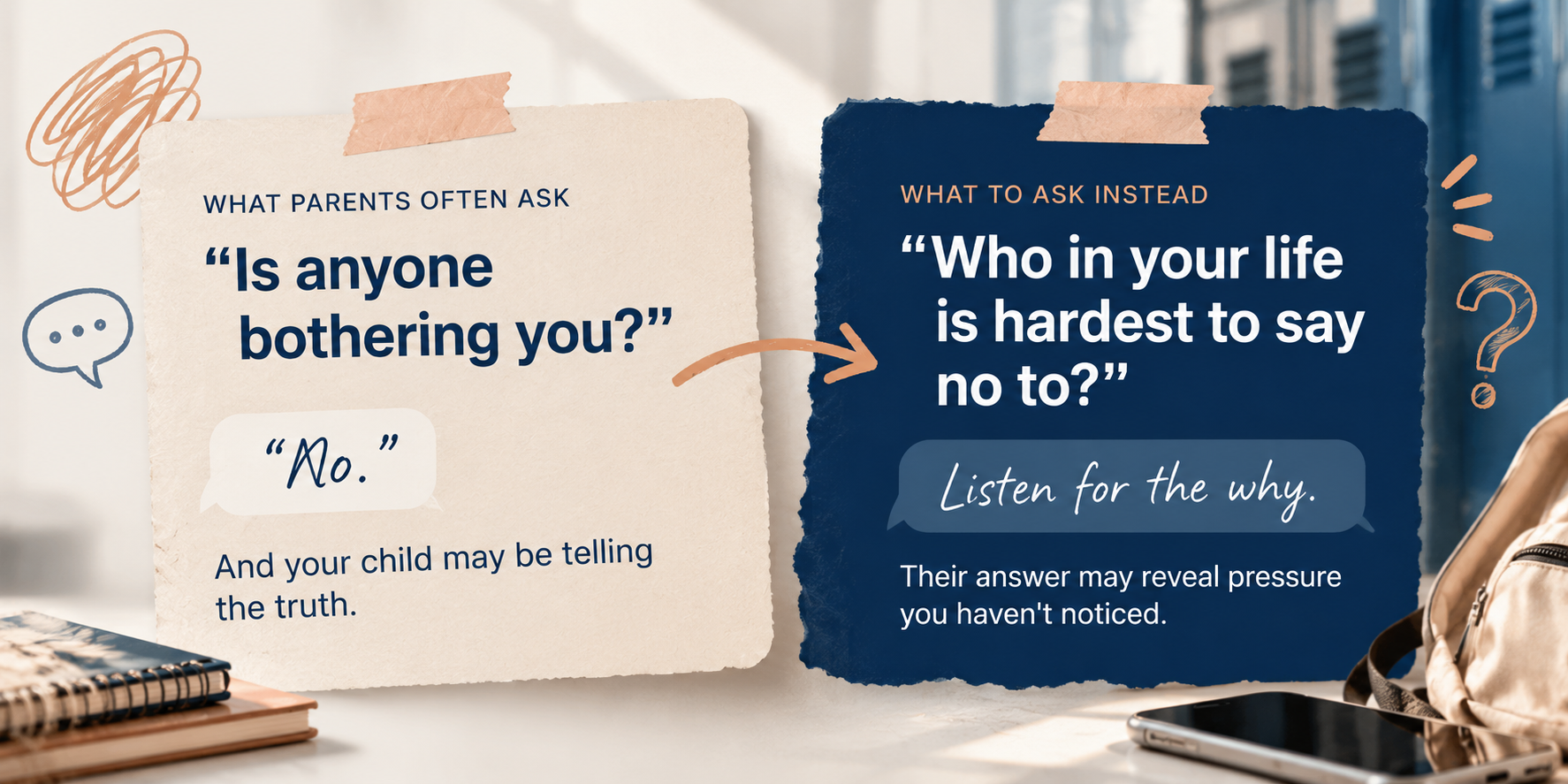
THE ANSWER ISN'T ALWAYS WHAT YOU EXPECT
The person creating the most pressure may also make your child feel important, understood, included, or loved.
Are they afraid of hurting someone's feelings? Being left out? Making someone angry? Do they feel like they owe that person something?
THE BIGGER PICTURE
You're not looking for a “bad” person.
You're listening for a relationship where your child no longer feels free to disappoint someone.
WATCH WHAT HAPPENS WHEN
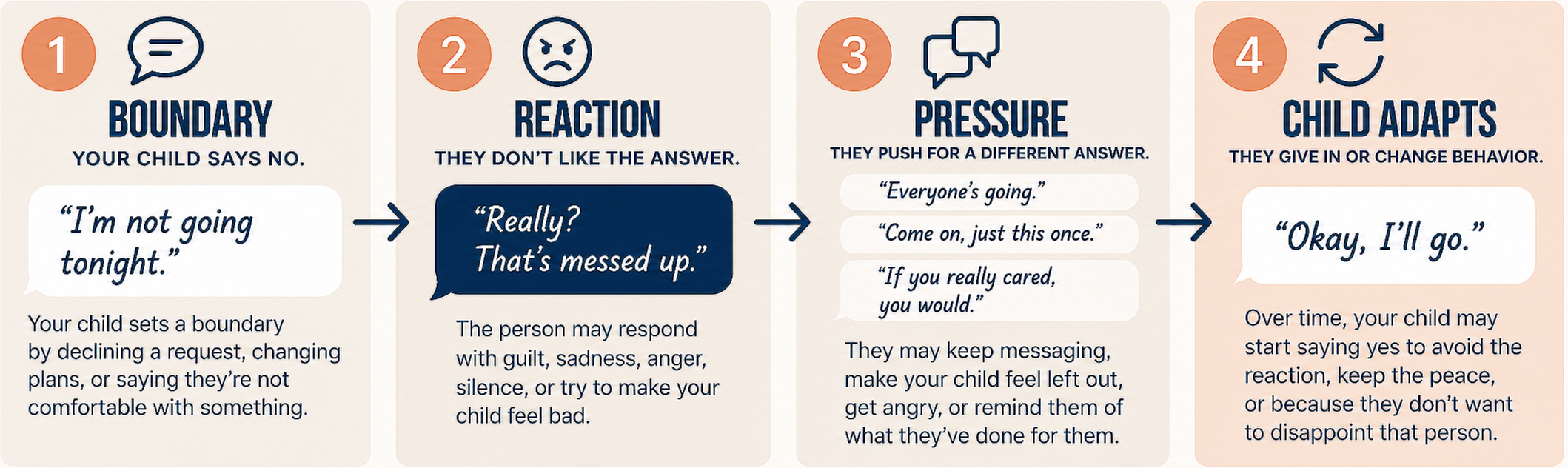
YOUR CHILD SAYS NO
We usually judge a relationship by how someone treats our child when things are going well.
But there's another moment that may tell us more:
What happens when your child disappoints them?
Your child says:
“No.”
“I changed my mind.”
“I can't talk right now.”
“I'm hanging out with someone else.”
“I'm going to tell my mom.”
Does the other person accept it?
Or does your child suddenly have to manage their anger, silence, guilt, repeated messages, embarrassment, or accusations of being disloyal?
One bad reaction doesn't make a relationship unhealthy. Kids and teens are still learning how to handle disappointment.
But pay attention when your child starts learning that keeping the peace is easier than saying no.

DON'T JUST WATCH THE PERSON. WATCH YOUR CHILD.
Sometimes the clearest sign of pressure isn't what another person is doing.
It's what your child starts doing to keep that person happy.
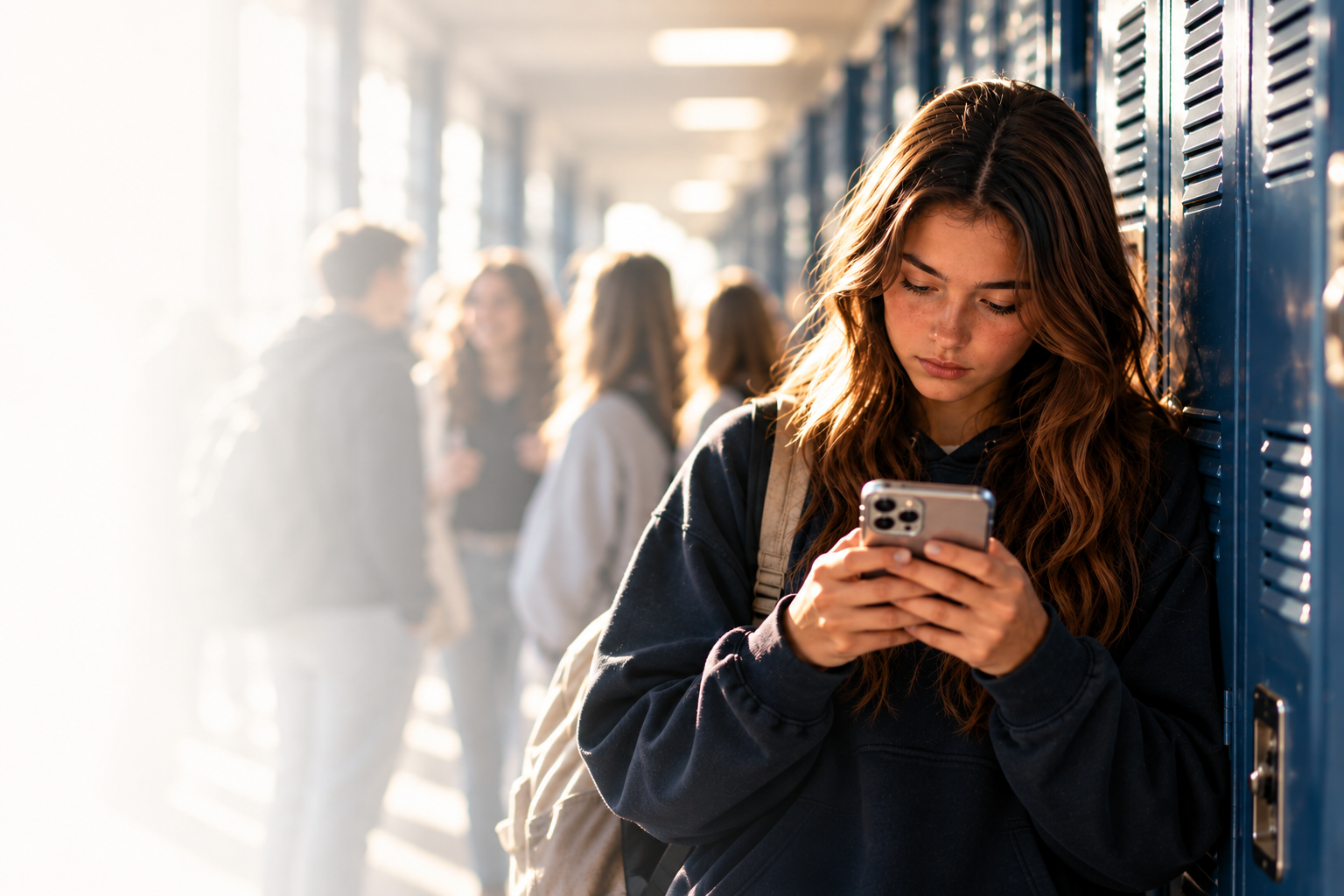
Do they check their phone because someone expects an immediate response? Worry about making one particular person upset? Feel responsible for that person's emotions?
Have they started explaining where they are, who they're with, or why they didn't respond? Can they spend time with other people without worrying about the reaction?
And here's one parents may not think to notice:
Does your child seem relieved when plans with this person get canceled?
None of these things alone tells you a relationship is unhealthy. But pay attention when your child seems to have less freedom, less ease, or less room to be themselves.
Sometimes the clue isn't who your child becomes when someone is around. It's who they become when that person isn't.
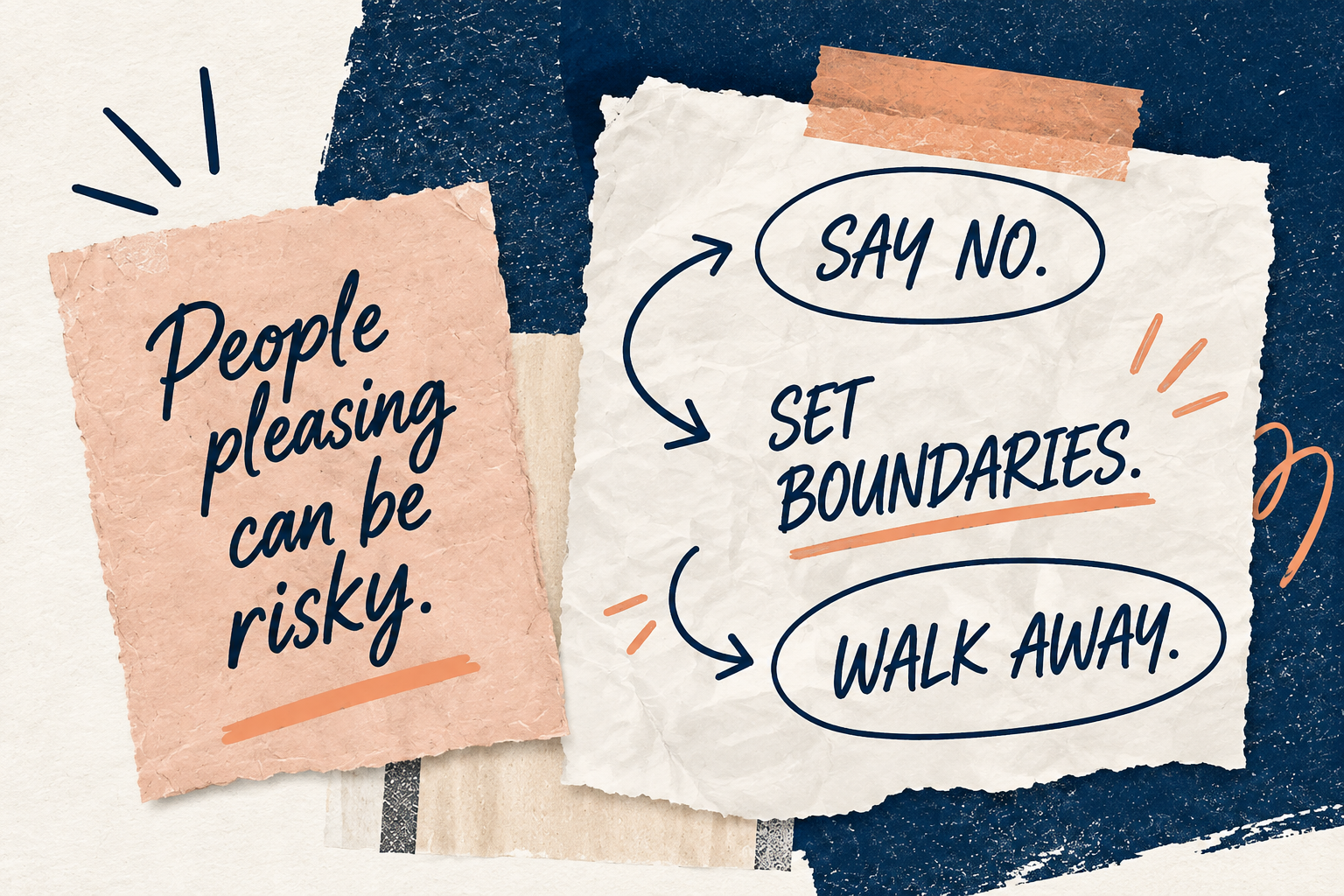
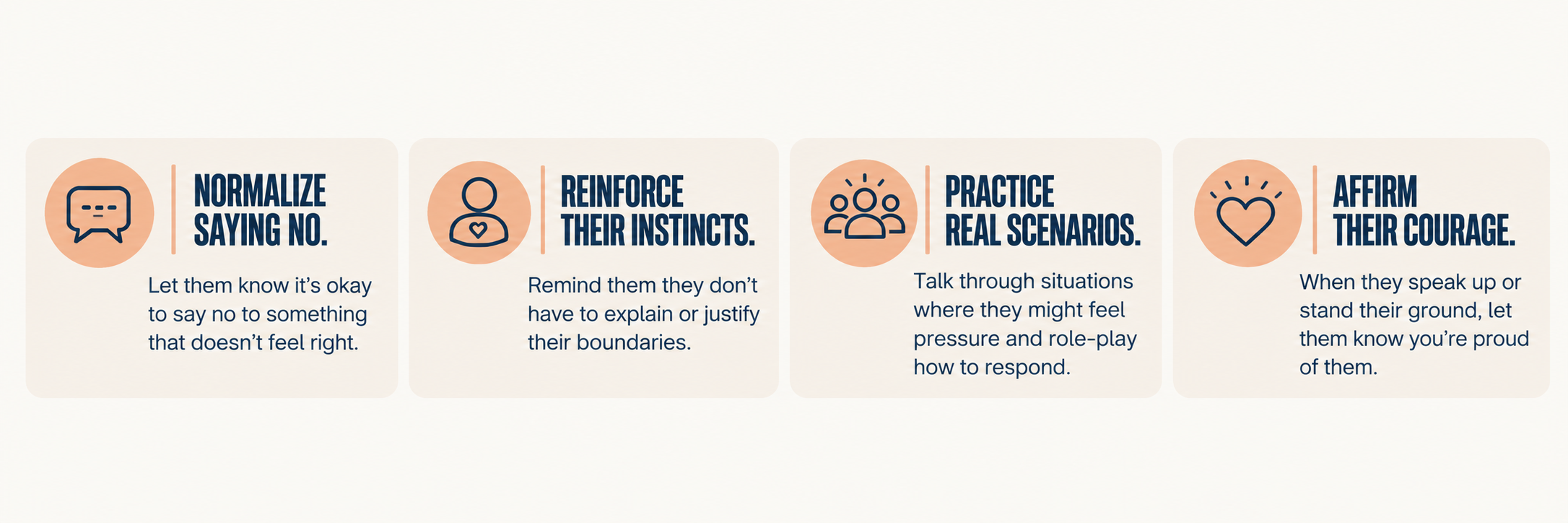
TEACH YOUR CHILD THAT IT’S OKAY TO DISAPPOINT PEOPLE
One of the biggest ways predators gain access to children is by teaching them to keep secrets, avoid conflict, and always make others happy.
Kids and teens who are people-pleasers are more vulnerable because they don’t want to disappoint someone, hurt their feelings, or seem rude.
Being kind does not mean keeping everyone happy.
Your child needs to know it’s okay to say no, set boundaries, and walk away from situations that don’t feel right — even if it disappoints a friend, an adult, or someone they care about.
THIS WEEK’S CONVERSATION
You don’t need to give your child a lesson on manipulation or ask them to identify an unhealthy relationship.
START HERE:
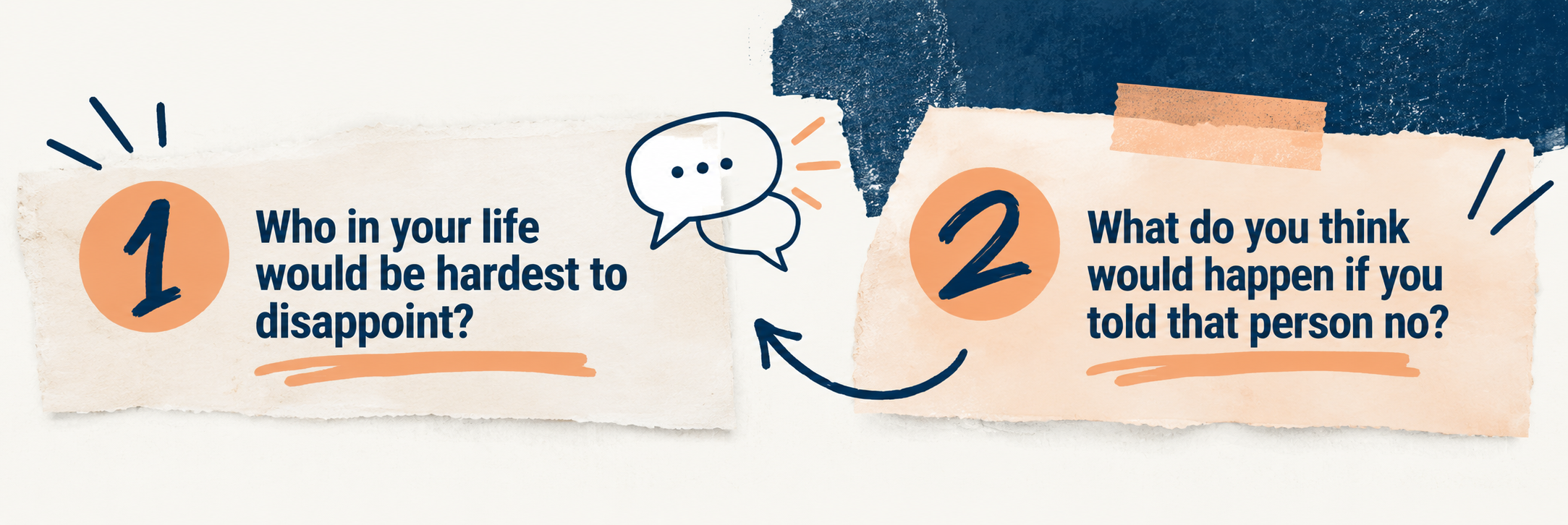

LET THEM ANSWER
A free tool that can help limit the spread of nude or sexually explicit images involving someone under 18, including eligible AI-generated images.
Parent-friendly guidance on online exploitation, warning signs, reporting, and prevention
THEN ASK
AND LISTEN
You’re not asking your child to decide whether someone is good or bad. You’re helping them notice something they may not have considered before:
Do I feel free to be myself, say no, and change my mind in this relationship?
That’s a question worth teaching our kids long before they ever need help getting out of the answer.
THE CONVERSATION
STARTS WITH YOU
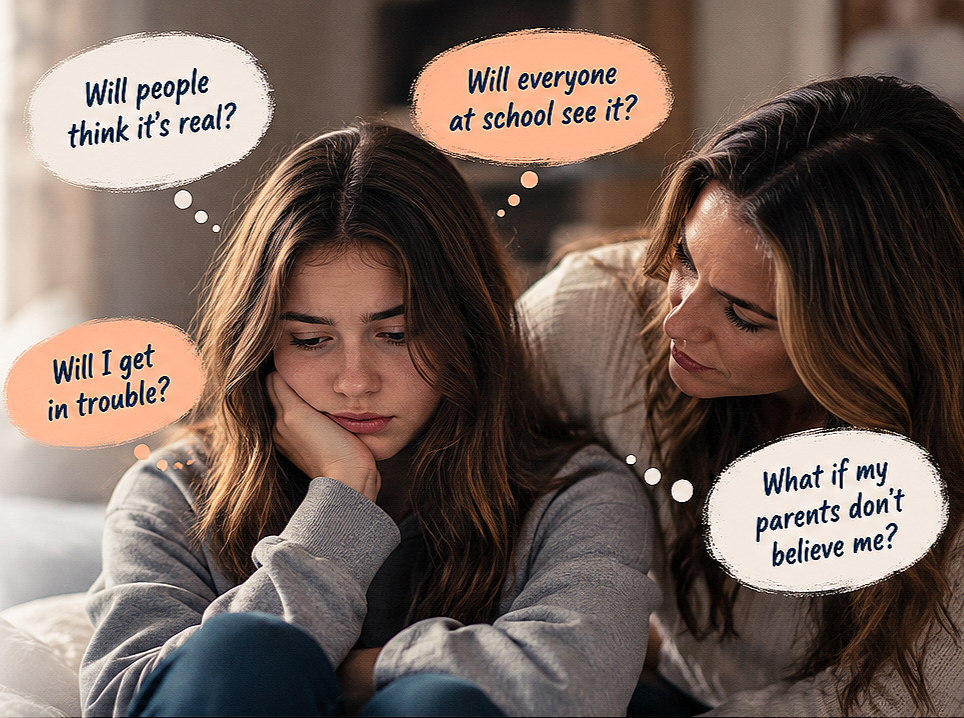
You can't control everything your child encounters online. But you can make sure they know where to turn when something goes wrong.
AI-generated images, fake messages, and digital threats are changing what children may face online. The answer isn't to make them afraid of technology. It's to help them recognize manipulation, question what they see, and know when to ask for help.
Start with three simple questions:
“If someone created a fake image of you, what would you do?”
“How could you tell whether a photo, video, or message was real?”
“If someone threatened you online, who would you feel comfortable telling?”
Listen to their answers. Keep the conversation open. And remind them that they will never have to handle something like this alone.
PARENT RESOURCE
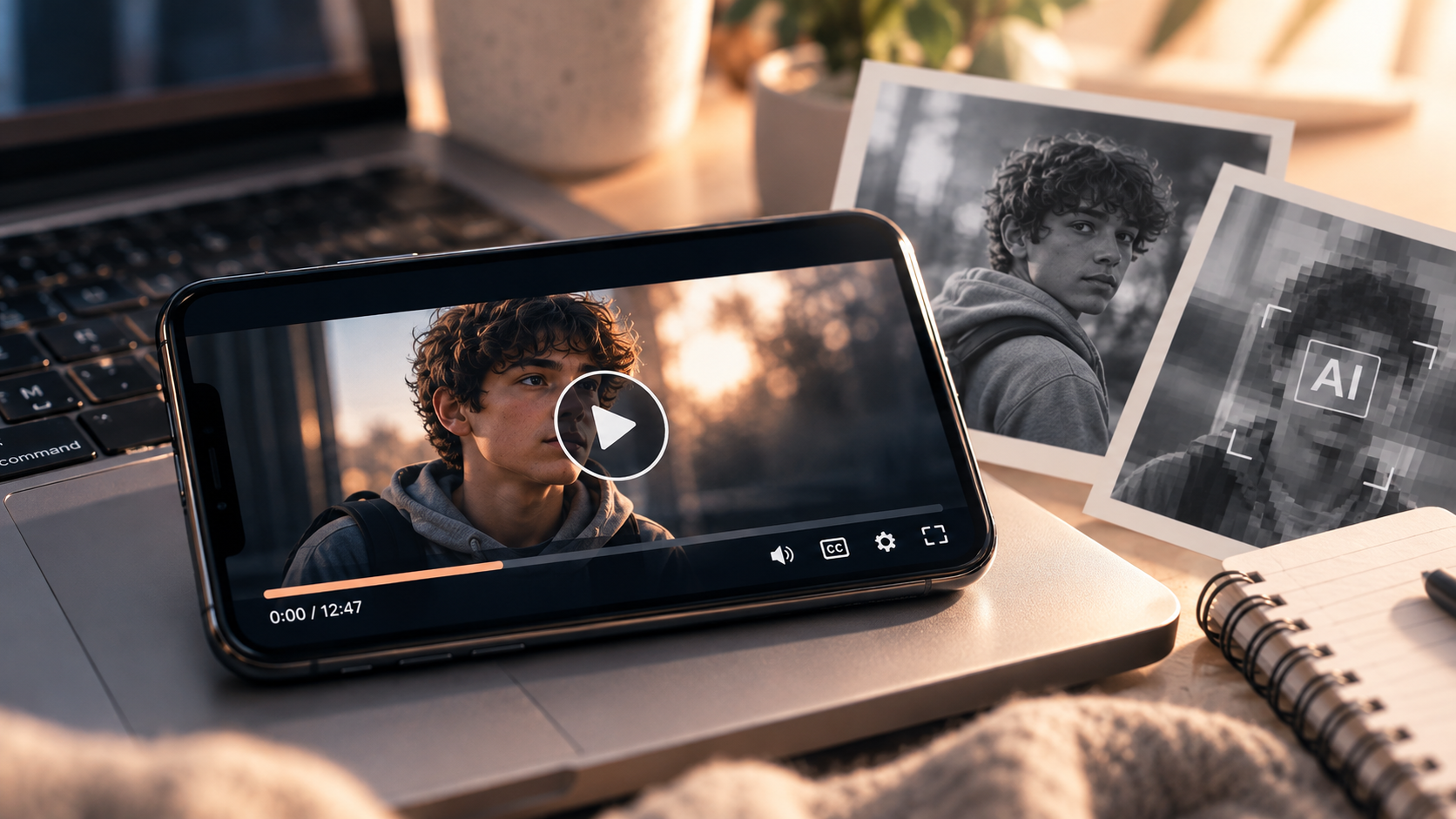
WATCH & LEARN
AI, Deepfakes & Online Pressure
Watch this video resource from The Prepared Parent and continue the conversation with your family.
SHARE THIS RESOURCE
Know a Parent Who Needs This Conversation?
Share this Parent Brief with a parent, grandparent, educator, coach, youth leader, or trusted adult in your community.
A child does not have to create or send an explicit image to become the target of one.
The more adults understand how AI-generated images can be used to shame, threaten, or control children, the better prepared we are to respond when a child asks for help.
Fake content can have real consequences. Preparation gives families a place to start.
With you,
The JBM Parent Community